
Metal additive manufacturing represents a major advancement for the manufacturing industry. It enables the production of tools more quickly and with a high degree of design flexibility. However, to ensure these technologies can be reliably used in demanding industrial environments, it is essential to guarantee the performance and durability of components.
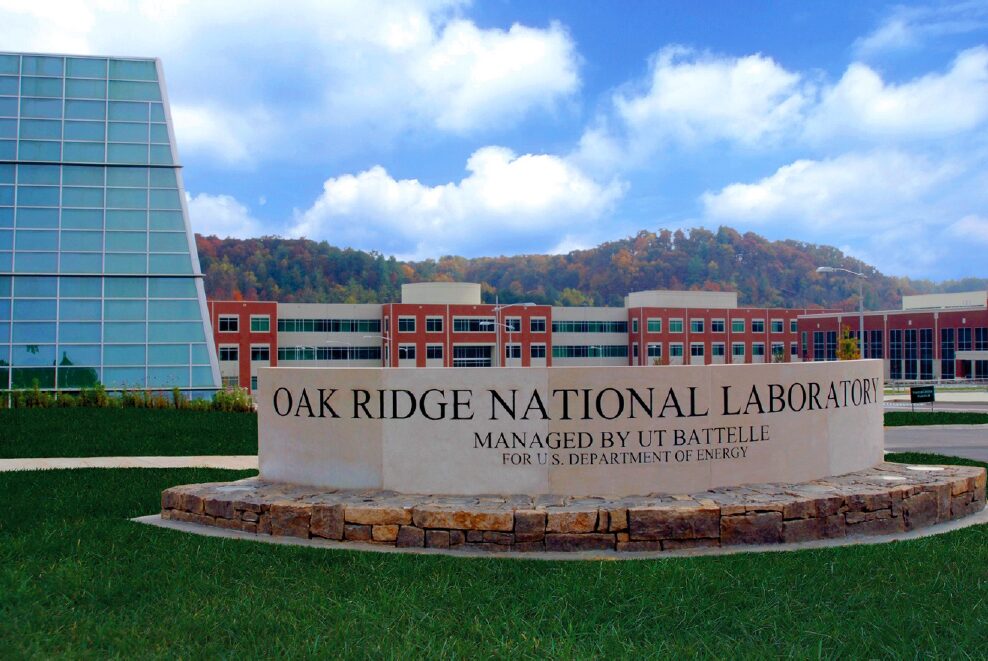
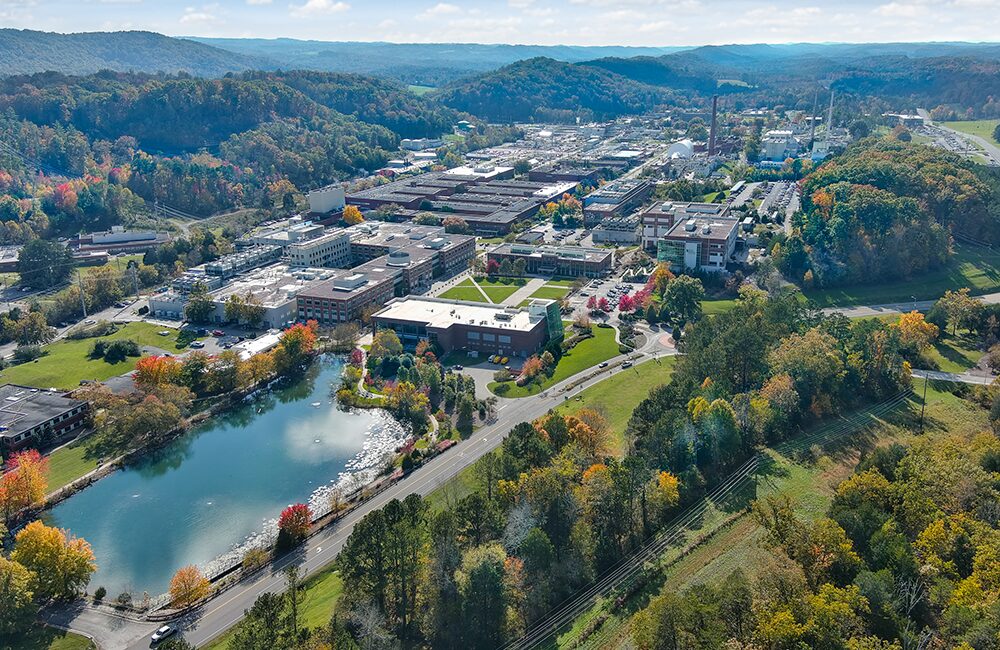
With this in mind, HEF collaborated with the Oak Ridge National Laboratory (ORNL), an internationally recognized research center in the field of advanced manufacturing technologies. This collaboration aimed to develop and validate surface treatment solutions capable of supporting the industrialization of additive manufacturing.
A partnership between industry and research driving innovation
The partnership between HEF and the Oak Ridge National Laboratory (ORNL) is part of a collaborative innovation approach, combining industrial expertise with scientific research. The objective was to evaluate and optimize surface treatment solutions tailored to tools produced by additive manufacturing, particularly for stamping applications subject to significant mechanical and thermal stresses.
This joint effort made it possible to combine:
- HEF’s expertise in surface engineering
- ORNL’s expertise in additive manufacturing
- a rigorous experimental approach
- validation under industrial conditions
This collaboration demonstrates HEF’s ability to work with leading technology partners to develop concrete solutions that meet the needs of industry.
Turning research into concrete industrial solutions
As part of this project, several materials used in tool manufacturing were studied and treated in order to evaluate the performance of the developed solutions. The tests carried out made it possible to identify the most suitable treatment parameters to improve wear resistance and tool reliability.
The results obtained demonstrate that the surface treatments developed as part of this collaboration make it possible to achieve high levels of hardness and significantly improve component performance. These results are a key indicator of the ability of these technologies to be used in demanding industrial environments.
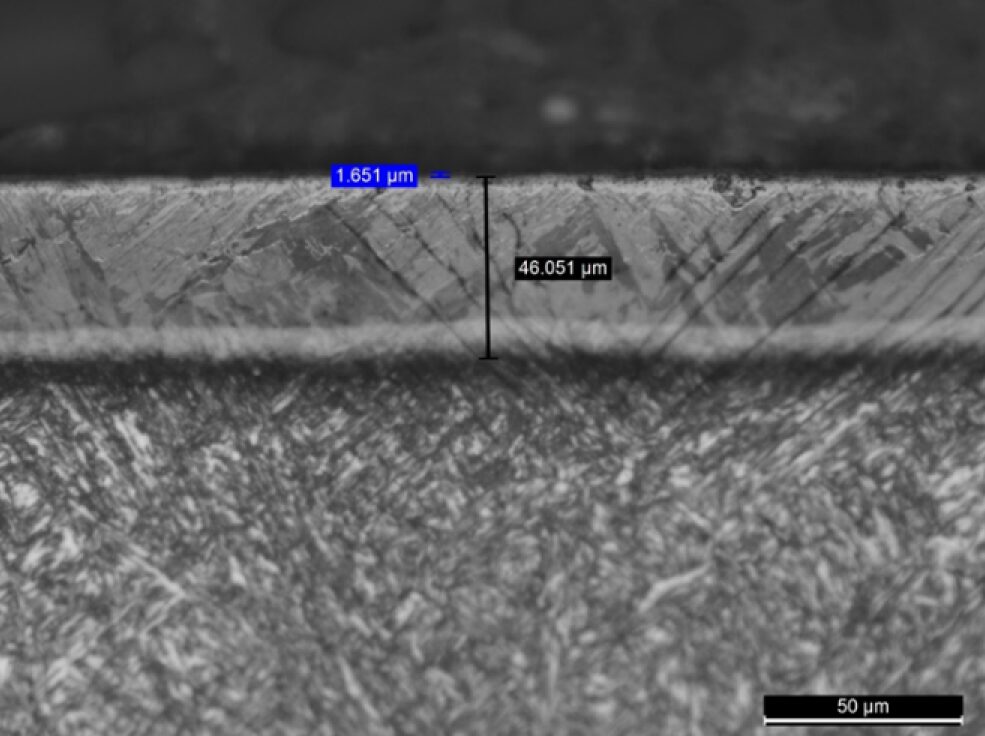
Microscopic observation of the nitrocarburized layer and the oxidized layer after surface treatment.
Validation under real operating conditions
Beyond the laboratory tests, the project included a validation phase on tools used in an industrial environment. A stamping tool manufactured using additive manufacturing was treated and then tested under real production conditions.
After several hundred operating cycles, the analyses confirmed the reliability of the developed solution, with no cracks or degradation of the treated layer observed. This validation represents a key step in demonstrating the relevance of the technologies developed as part of the collaboration.
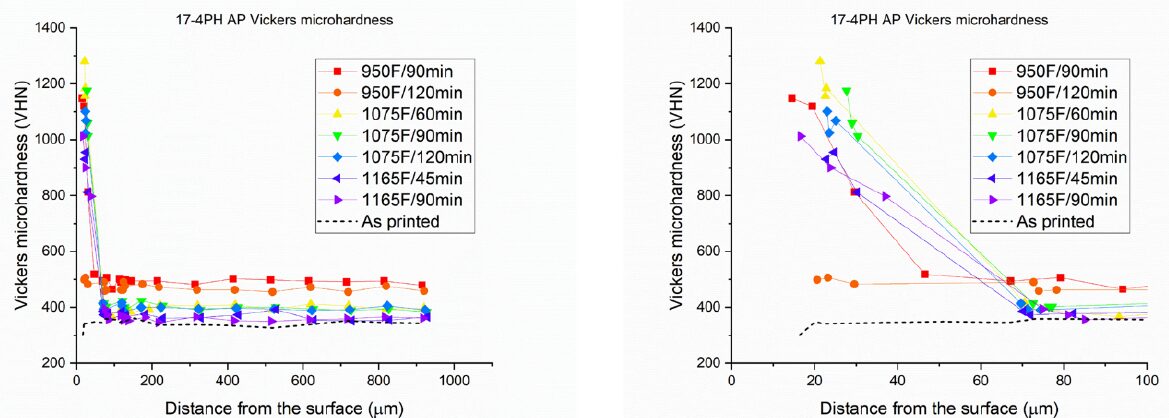
Distribution of Vickers microhardness in as-printed 630 stainless steel
A collaboration that opens new perspectives for the industry
This collaboration between HEF and the ORNL highlights the importance of partnerships between industry and research in accelerating the development of innovative technologies. By combining their expertise, the two organizations were able to develop solutions tailored to the challenges of additive manufacturing and contribute to the advancement of industrial processes.
For HEF, this project represents an important milestone in the development of advanced surface engineering solutions and confirms the group’s commitment to investing in research and innovation to support industrial transformation.
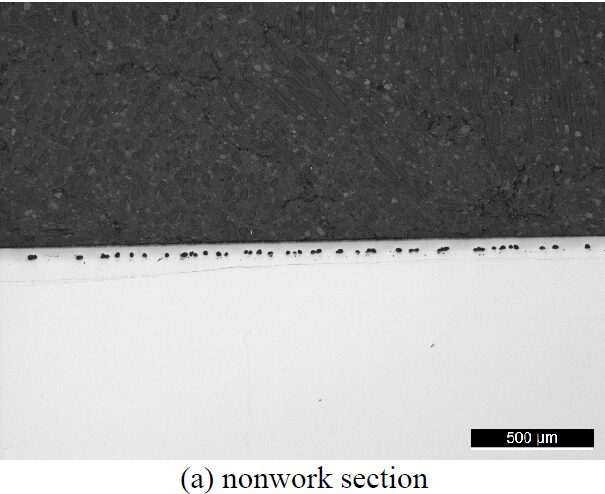
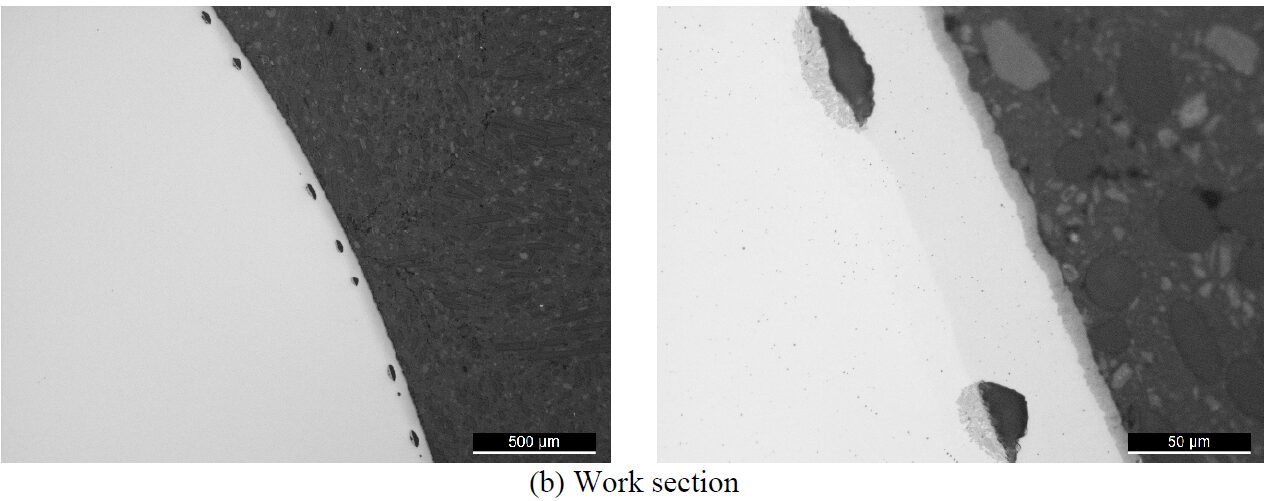
Presence of voids at the interface between the nitrocarburized layer and the substrate of the 17-4PH stainless steel tool used